A toxic family is one where your family members don't respect your boundaries. Toxic family members create an unhealthy family situation. Toxic family members also build stressful interpersonal relationships and cause mental and emotional distress.
How do you know if you have a toxic family?
"Toxic parents exhibit a chronic lack of empathy towards their children," says Shannon Thomas, trauma therapist and author of Healing from Hidden Abuse. "These behaviors can manifest through biting remarks about appearance, relationship status, mental or physical health, financial struggles, or career challenges."How do toxic families behave?
How Dealing With A Toxic Family Member Can Make You Stronger
- Brace yourself upon arrival. Don't fool yourself into thinking this person has changed. ...
- Keep communication to a minimum. ...
- Keep private matters to yourself. ...
- Forgive, but don't forget. ...
- Don't try to change this person.
What does a toxic family do to a child?
Psychological Effects—Children who grew up in toxic families are more likely to have cognitive issues such as problems with memory, attention, and inhibition. They may be more susceptible to depression, anxiety, and other disorders. A higher chance of antisocial traits is seen.How do you treat a toxic family?
Letting Go of the Fantasy: 7 Ways to Heal Toxic Family...
- Get Clear. Reflect on your relationships with family. ...
- Take a Breather. Sometimes space is the best option. ...
- Negotiate New Terms. ...
- Boundaries are Best. ...
- Let Go of the Fantasy. ...
- Start Fresh. ...
- Focus on the Family You Build.
7 Signs of a Toxic Family
When should you cut off your family?
Reasons You Might End a Relationship
- Sexual, physical, or emotional abuse or neglect.
- Poor parenting.
- Betrayal.
- Drug abuse.
- Disagreements (often related to romantic relationships, politics, homophobia, and issues related to money, inheritance, or business)
- Physical or mental health problems.
Is it OK to cut off toxic family?
If your toxic family continues to disrespect you, to ignore your boundaries, and to gaslight you, you have every right to cut ties. You do, in fact, have the right to do this at any time, but many people wait until they realise the full impact of staying in these relationships.What the Bible says about toxic family?
The Bible does not tell us to continue in relationships with people who have damaged us or are still damaging us, family or not. In fact, the Scriptures are full of teachings instructing us to leave relationships with wicked or evil people, to be separate from them, to shun, outcast, and purge them from our midst.How do you tell if your family hates you?
- A sign your family doesn't care about you is when they show you overt and covert forms of abuse and neglect.
- They ignore your boundaries.
- They routinely prioritize their own emotions & dismiss or invalidate your feelings.
- When your family of origin is not available for meeting your needs.
- They leave you out.
Why am I so annoyed by my family?
Causes. The factors that lead a person to hate their family or members of their family can vary. Toxic behaviors, abuse, neglect, or conflict are just a few factors that can lead to feelings of animosity. Finding ways to better understand the causes for such feelings can help you better cope with the situation.What are the signs of a toxic person?
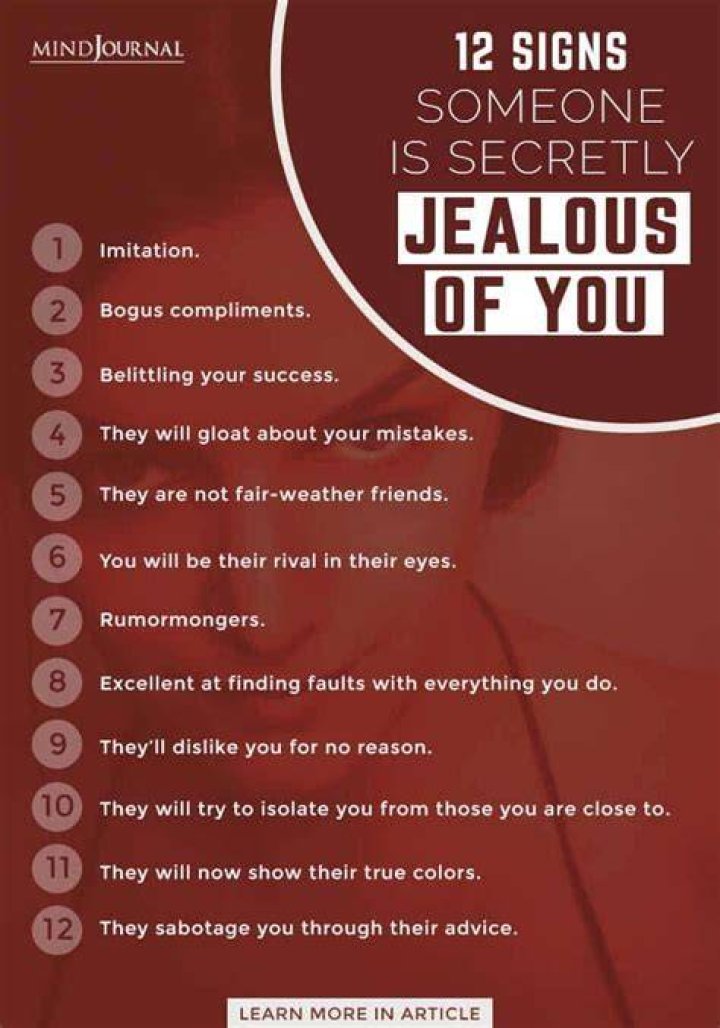
Toxic people: 7 signs a person is toxic
- You're left feeling emotionally exhausted after an encounter with them. ...
- They try to intimidate you to get their way. ...
- They try control you by guilt tripping. ...
- They are easily jealous. ...
- They constantly see themselves as a victim. ...
- They give backhanded compliments. ...
- They're overly defensive.
What are the traits of a toxic person?
15 Traits of Toxic People to Watch Out For
- They're manipulative. ...
- They take more than they give. ...
- Their apologies aren't sincere. ...
- They don't listen to you. ...
- They make you feel bad. ...
- They are self-defeating. ...
- They abuse their power. ...
- They use the word “I” incessantly.
How do you tell if you're being toxic?
What Is a Toxic Person?
- You feel like you're being manipulated into something you don't want to do.
- You're constantly confused by the person's behavior.
- You feel like you deserve an apology that never comes.
- You always have to defend yourself to this person.
- You never feel fully comfortable around them.
What is a toxic sibling?
A toxic sibling relationship is a relationship that is unbalanced in its power dynamic and may involve sibling abuse and dysfunctional sibling rivalry. Sibling estrangement can be caused by parental favouritism, having immature parents, parental or sibling abuse and psychopathy.When your entire family is toxic?
Seek out friends and new people to share with, such as a therapist, 12-step group, or other support circle. "Dealing with family members who have toxic behaviors is stressful and emotionally taxing,” she says. “Be sure to take good care of yourself physically and emotionally." Your physical safety is key.Who are toxic parents?
“Toxic parent” is an umbrella term for parents who display some or all of the following characteristics: Self-centered behaviors. Your parent may be emotionally unavailable, narcissistic, or perhaps uncaring when it comes to things that you need.How do you distance yourself from a toxic family?
Here are some powerful, practical ways to do that:
- Be empowered by your motives. ...
- Understand why they're seeing what they see in you. ...
- They might get worse before they leave you alone. ...
- Be clear about your boundaries. ...
- You don't have to help them through every crisis. ...
- You don't need to explain. ...
- Don't judge.
How do I cut off my family?
When You Decide to Sever Ties with a Family Member...
- Try it out... ...
- Heal yourself first. ...
- Set a few boundaries/skip a holiday. ...
- Keep a neutral position. ...
- Limit contact to times when something major happens. ...
- Know that it's difficult. ...
- Focus on who you have and who you are. ...
- Don't pretend everything is okay.
Is it OK not to like your family?
Disliking your family doesn't make you a bad person, and it doesn't make you any less worthy of love than anyone else. However, understanding the divide between you and your family can be a very relevant and eye-opening experience. It can teach you about standards and what you're willing to accept in life.How do you deal with toxic siblings?
How to Deal With a Toxic Sibling (According to 9 Experts)
- Set limits and boundaries.
- Figure out the workarounds.
- Don't fight too hard for it.
- Establish an emotional boundary.
- Acknowledge your truth.
- Label the behaviors (or your feelings), not the person.
- Communicate openly if it feels safe.
- Boundaries, boundaries, boundaries.
How do you forgive toxic family members?
Set BoundariesWhether the toxic person is a family member, coworker, or someone you rarely see anymore, setting boundaries can keep you from letting them back into your life. This is especially important if you are still working on forgiving them for something, or just don't want to be pulled back into their orbit.